How To Plan & Deliver A World Class Summit
March 6, 2023

Summits are a great place to engage with peers, thought leaders and technology exponents on a common platform. Although each summit might have a different purpose of a goals, they are always organized to promote industry growth and facilitate networking. In this curated post, we will discuss about the key elements of organizing and delivering an industry summit.
When planning a summit, the primary consideration is leadership engagement and business growth and this should be interwoven with stakeholders’ discourse, facilitation of strategic dialogue, benchmarking of ideas which will support sector progress, explore new opportunities and celebration of industry successes.
Envisioning Summit Outcomes & Themes
The key areas to start with when setting out to plan a summit are, the theme of the summit, the goals and objectives that one wants to achieve.

The theme usually is a unified message you want to deliver through your program to the participating delegates and industry experts. But on a much deeper level, the goals and objectives play a important role in making the summit a success. In the planning stage it is essential to do the following
1. Set Summit Goals: This is very simple; all one needs to do at this stage is document the purpose of the event and determine why the event is taking place.
2. Derive Summit Objectives: Objectives are usually strategies which are designed to reach the goals that you have defined for your event.
Goals can be achieved by having specific and measurable parameters, such as defining a summit as a two-day event, which has a realistic and time-based measure. How do we know if the goals and objectives of an event were met? Well, this is the phase where you have to measure your summit goals with simple yet definable KPIs. Some of the most important event KPIs that need to be considered to make a summit successful are as follows;
- Total revenue generated for the summit
- Total number of positive testimonials with the summit both from sponsors and delegates
- Cost of summit delivery and participant acquisition
- Total number of deals made at the summit or quality leads generated
- Total number of attendees
- Social mentions and other engagement of the event leading to the summit and during the summit
- Total cost to summit revenue ratio
Choosing Your Summit Location & Date

Once you have a working idea of your summit, you should strategically plan on selecting the location for your event and finalizing the date. This decision depends on understanding where the majority of your audience is based, what will motivate them to attend.
While choosing the location, consider these things
- Industry community: Select a location which represents your audience and the sponsors would prefer, consider a city or region with a high value of business opportunity so that delivering your summit there will offer maximum value for all participants
- Affordability & Desirability: Critical choices should be based on location affordability without compromising on delegate experience. Consider city locations or destination experiences based on the type of attendees you are expecting
- Venue Type: This is a simple choice to make, Convention center or a hotel? The consideration is based on how many speaking sessions you have, the number of attendees expected and if it is a conference or an exhibition
- Date Choice: Choose your dates wisely, avoid major holidays, conflicting events, and weekends.
Outlining the Summit Program and Key Agenda
Design a Concise Agenda
An agenda, which is focused and engaging, will help the audience remain connected through the entire event. Organize the agenda in a constructive manner, with allotted time slots for every intended activity.

The agenda should be a mixture of individual presentations and panel discussions and repeat of similar topics should be avoided. Similar subsets should be condensed into sessions and multiple sessions should be aligned to reflect the theme of the summit. A poor agenda is a recipe for disaster, speakers go off track, delegates get disengaged and eventually the event outcome will be entirely lost.
The summit agenda, should have specific objectives and should be prepared meticulously.
Roping In Thought Leaders and Inviting Key Speakers
Once your agenda, is ready the next important aspect of prepping the program is by getting relevant thought leaders and speakers who can add value to the agenda by sharing their knowledge and expertise with the attending delegates.

Choosing top speakers, and keynote speakers should be based on what the speaker best represents to your summit and what message you want to convey. Inviting speakers should be considered as a targeted campaign to bring the best value to the entire program, selecting a suitable speaker eventually will ensure that your delegates will attend and engage with the summit. While inviting a key speaker consider these points;
- Create and send an invitation
- Explain what the theme of the summit is
- Let the speakers know what your expectations are
- Understand what their views are about the summit and what their ideas might be
- Convey to them why you think they would be a great speaker for your event
- Showcase why it your event will benefit them
Creating a Solid Marketing Strategy for Your Summit
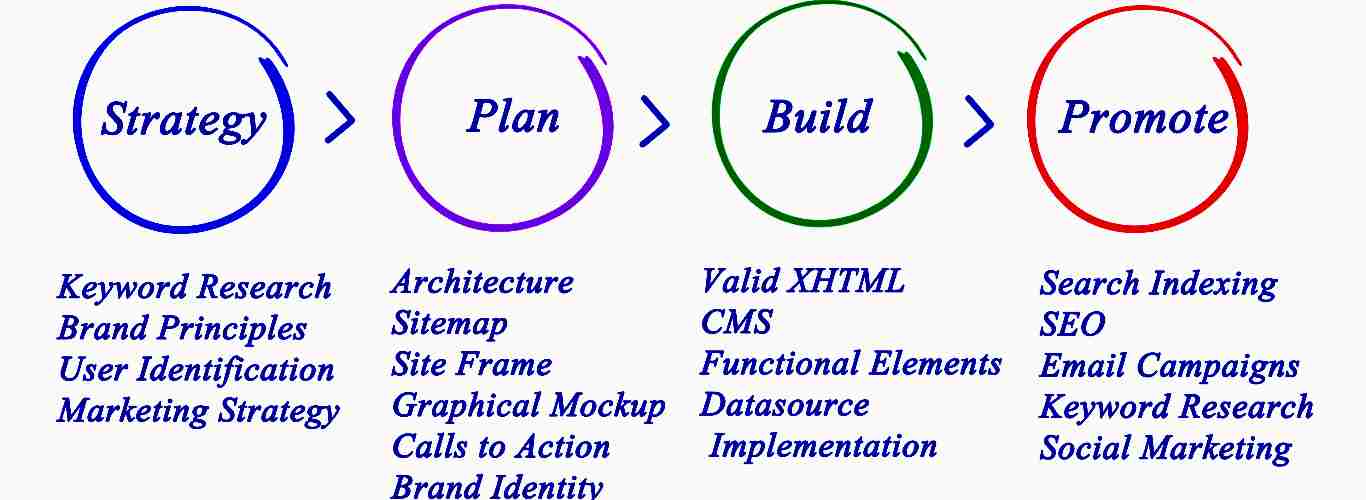
A well marketed summit, is likely to be successful with good attendance and absolute participation. Summit promotion is a key area to focus on for all types of events and is critical in having an engaging outreach. Design your marketing based on your specific audience and have a strategic campaign to attract them. Below, you will find some methods you can follow to market your summit and achieve a successful promotion strategy for your events.
- • Determine Your Messaging – Create content with a unique voice which reflects the message your summit wants to convey. Your messaging should identify and showcase why your summit is different from others. Your messaging should explain why people should choose your event and what’s interesting in your event.
- • Influencer Marketing – Identify the most influential voices in a particular industry and engage with them to build a collaboration and seek their support to promote your summit. Your keynote speakers and key speakers can also become the influencers who are helping your promote the summit.
- • Summit Website Optimization – Your event website is the first-place potential sponsors, speakers and attendees will visit to learn more about your summit. Build a seamless and professional website or landing page, then optimize it based on SEO principles, so that it is easy to be found on Google and other search engines your prospective participants might use. Research potential keywords, your attendees are searching for and optimize your website for them, thus increasing the chances of visibility for your event website on online search
- • Event Announcement Platforms – There are many event announcement sites, once you have your location, date and website ready, list your summit on these announcement sites. Most of these sites, are free to list so you can utilize their services and get the much needed exposure for your event early on.
- • Publish Press Releases – Create a periodic press release schedule and reach out to media and industry news outlets who cater to your audience. Write launch, update and pre event press releases and publish them on these media outlets.
- • Focus on Creating Marketing Content – One of the best ways to promote your summit is by creating engaging, and shareable content. Create content in multiple formats such as long-form like white papers, Short form like blog posts, videos of event high lights, testimonial snippets or sound bytes from your speakers and thought leaders, and infographics which can be published on your social media
- • Social Media Engagement – Social media is a powerful promotional tool today, leverage it for maximum event reach. Create custom profiles for your event, choose multiple platforms, plan ahead by having a social media calendar, schedule your posts for maximum visibility and think long term
- • Plan Regular Email Campaigns – Create a database of prospective industry attendees, and send regular email communication to this list. These emails should include curated content, event updates and important advancements relevant to the industry your event is focused on.
Defining Your Summit Logistics & Operations

Whether you are planning a virtual event, an in-person event or a high-level boardroom, event logistics will play an important role in its success. Event logistics is a complex operation which needs to planned ahead so that there won’t be any unforeseen impediments in the delivery of your summit. Event logistics can be broken down into two parts, Pre-Event Logistics and Day of Event Logistics. Below, we will see what are the key areas to focus on under these two parts
Pre- Event Logistics
- • Have a clear understanding of the goals that need to be achieved at the event, define a strategy with all the key stakeholders who are responsible for the event
- • Create a project plan, based on important deadlines and milestones that need to be achieved. Assign team members to take care of specific responsibilities, be it attendee registrations, vendor management, speaker co-ordination, venue management etc.
- • Find a venue which is suitable and conduct physical recce. Once you have satisfied that the venue meets all your summit expectations, lock it.
- • Identify and outline onsite technologies that are needed, well in advance. Be it, registrations, AV etc.
- • Confirm summit related orders with all the vendors well in advance, be it event signages, banners, badges, bags, printing paraphernalia etc.
Day of Event Logistics
- • Have your operations team, prep Onsite- Check in or registrations, keep your staff informed about attendees, sponsors and speakers who are expected to attend
- • Prepare your front-end staff on customer interaction and make sure they are there to engage and welcome the delegates and other participants
- • Have a program schedule ready and have all parties involved run through them so that there are no hiccups
- • Have a Day of event communication plan ready, in case if there is an issue or problem at the event everyone involved should know who to contact, be it AV, the banquets or venue contact etc.
Post Event Analysis
One of the last aspects of delivering a successful summit is to analyze an event after it is done. One of the immediate metrics that has to collected and gauged is the post event survey. Collect feedback from all the attendees and get their perspective on how the event fared. Doing this will help you plan better the next time and be more clued in for the future. This will also help you improve the summit in the areas it went wrong.

Further, it is important to engage with all the key stakeholders who were responsible for the event and debrief after the event. Allow every one of the stakeholders to share their experience and voice their concerns if any. Analyze, if the event was successful in achieving its objectives, and what are the pros and cons of the summit.
Conclusion
Now you are all set to plan your next summit! Meticulous planning and focus to details are a sure way of having a successful event. If you need assistance in delivering a flawless event and promoting the event to a potential audience, please let us know!
Recent Blogs
-

How to Penetrate into
West African Market and the Strategies? -

How is technology changing
the insurance industry? -
Why Nurse Email Lists Are Essential
for Healthcare Marketing -

How to Effectively Pitch
Marketing Services to Doctors -

How to Choose the Best
B2B Mailing List :7 Essential Qualities -

How Blockchain Changing
the Banking Sector ? -

10 Most Popular Software’s
Used in Healthcare -

How AI is Transforming Businesses
in the Oil and Gas Industry -
Seven Proven steps to Retain Customers
with customer win-back campaigns -
Learn Essential Sales negotiation
skills and strategies to win more deals! -
Missing out on quick sales? Unlock
the mystery of transactional selling! -
What Is Lead Nurturing
and Why Is It Important ? -
35 Essential Sales Terms
you need to know -
The Essential Guide to C-suite
Marketing? Tips & Strategies -
Top 10 Fastest Growing Industries
for 2024 in the United States -
Why Human Resources
Management is Important? -

How to Use the 5 Senses to
Increase Sales in Retail Industry -

What Is Data Cleansing, Why Is
It Important, And How Can You Do It? -

10 Effective Marketing Strategies for
Food & Beverage Industry -
Best Marketing Strategies & Tips for
Oil & Gas Industry Sector -
Why Email Marketing is very effective
for Healthcare Businesses -

Top 10 Most Effective Fintech
Marketing Strategies for 2024 & Beyond -
Effective Email Follow Up
Strategies To Get More Sales -
Best ways to Segment
B2B Target Audiences -

The 5 cutting-edge waves of
innovations shaping tomorrow -
Best Strategies for Effective
Email Marketing in The Aviation Industry -
Best Practices to Grow
Your B2B Podcast -
Generating B2B Leads on
LinkedIn – Strategies for 2023 -
B2B Email Marketing: Best Practices
& Proven Strategies -
Prospecting vs Lead Generation
-
A Guide to Outbound Lead Generation
Strategies That Work -

Top 5 B2B Lead Generation
Companies in India -

What is Data Validation
and Why is it Important? -

Top 10 Healthcare
Data Providers & Companies in 2023 -
5 Effective Partnership Email
Templates for B2B Businesses -
Why Data Verification is Crucial
for Decision-Making and Strategy ? -

What companies use AWS ?
-
A Complete Guide to Creating
a B2B Database -

Learn How to Create Visually
Attractive Emails -
How to Generate More Leads for
Your Travel Business ? -

8 Ways to Get Real Estate Agents’
Email Address Easily -

How ERP is Capitalizing
Business Management in Industries ? -

The Ultimate Guide to B2B
Manufacturing Marketing Strategy -
How to Write best B2B
Email Subject Lines -

Effective B2B Lead Generation
Tips for Sales Success! -
Pros & Cons of Buying an Email
List for Your Business in 2023 -

How To Acquire Clients for
Your Transport Business -
Understanding Data Licensing in 2023
-
HR Manager’s Email Address
How to Find It -
How to Pitch Retailers
Through Email -
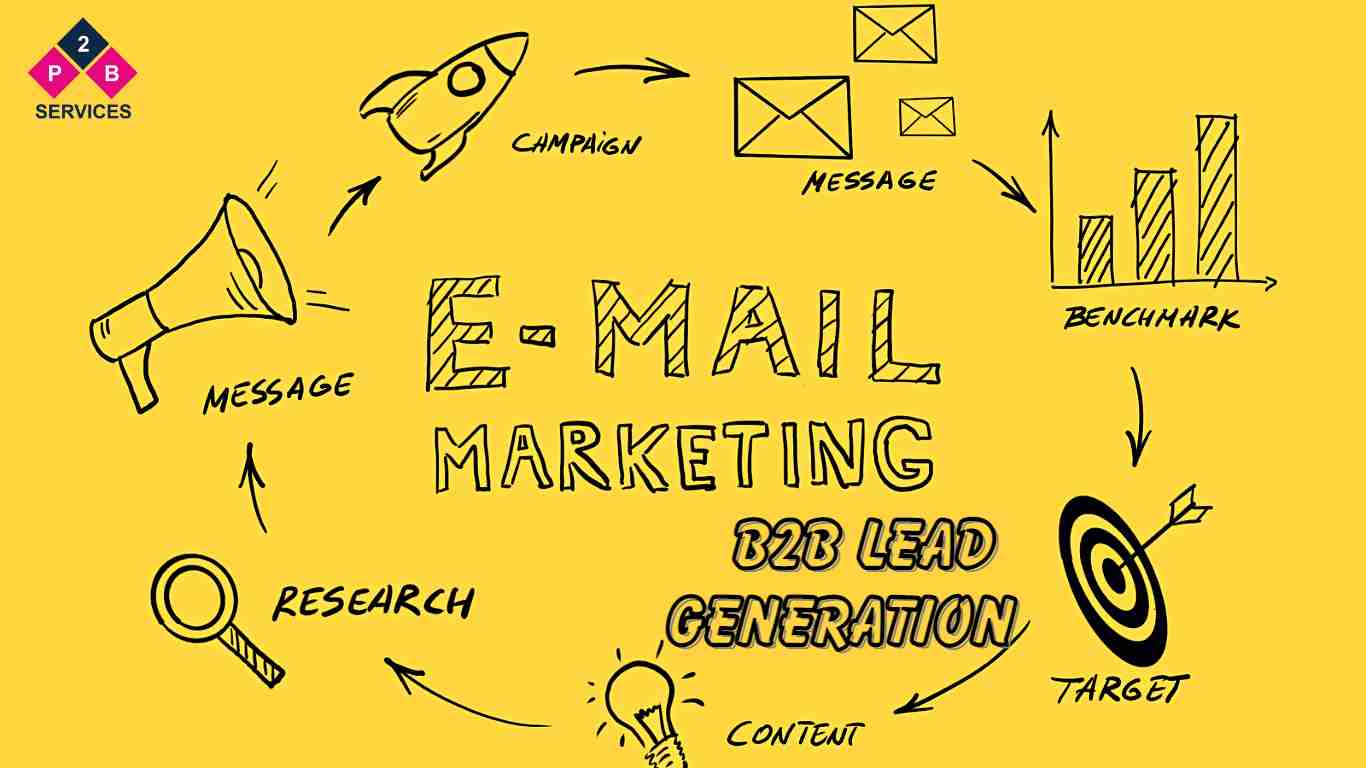
Email Marketing
B2b Lead Generation -
How To Find
CEO Email Addresses -
How to Write Effective
B2B Emails -
How to Plan And
Deliver The World Class Summit in 2023 -
How To Reach
Top Business Decision Makers Easily -
Best Guide to
B2B Demand Generation in 2023 -
How to Build & Scale
Your Consulting Business -

How to Pitch and Sell with a CFO
-
How can I get a list of ceo email address
-

Top 13 travel & Tourism
email list providers in the World -
How To Find And Buy
A B2B Email List 
The Ultimate Guide for
data appending in 2022-
9 best techniques
for your event marketing strategy 
Marketing Strategy Of
The Automobile Industry
9 Reasons To Buy
For Manufacturing Industry Email List
How To Grow Your Email Database 2022
-
Email Marketing Tips
That Will Get You More Leads -

B2B Lead
Generation Strategy Trends for 2022 -
10 Reasons
Why You Will Love B2B Email List -

Want to Know All Things About Events?
You Need To Read This First 
Best Way To Improve Your
Marketing And Sales-
COVID-19 Effects on
Small Businesses & How to overcome -
How Do We Improve Your Brand Growth
-

How Accurate Email Data
can improve your Prospecting process
Post Your Comment

Recent Posts
Top 13 travel & Tourism email list providers in the World
The Ultimate Guide for data appending in 2022
9 best techniques for your event marketing strategy
Marketing Strategy for Automobile Industry
9 Reasons To Buy For Manufacturing Industry Email List
How To Grow Your Email Database 2022
Archives
February 2023
Tags
- B2B marketing strategy
- B2C marketing
- B2B consumers
Category
- Lead Generation
- Email Marketing
 8296439334